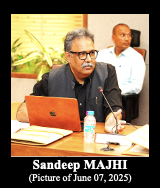
Sandeep Majhi
Development Strategist | Senior Government Reform Consultant | Techno-Thematic Architect
Email: sandeep@majhi.in
About
He is known for his imaginative skills in ideation of range of government reforms and conceptualising series of reform initiatives & pilots for Uttar Government, the largest State in India. Beyond engagement with sectoral departments on assignment to assignment basis, he professionally engaged at the apex level of government execution _ both political & administrative _ with three successive government regimes since 2008-09.
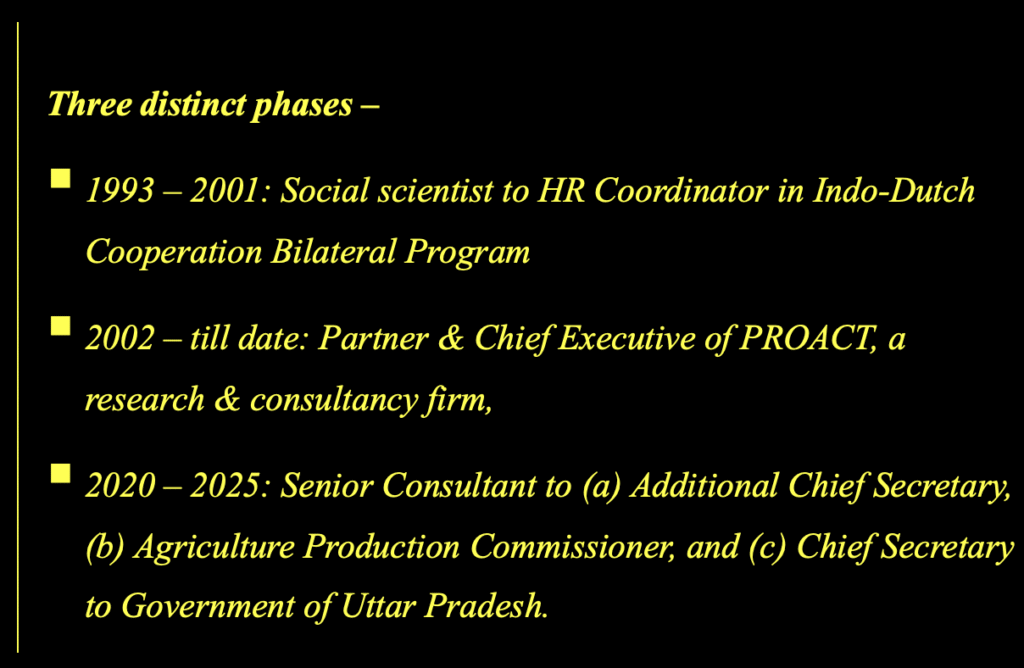
He started his professional career as Social Scientist in Indo-Dutch Bilateral Cooperation (IDC) program in 1993 for Drinking Water & Sanitation program assisted by Netherlands Government. In course of 1993 to 2001, at the start & the end of his association with IDC programs at the Head Quarter of Program Support Unit (PSU), he stationed at the district level lead implementation of the program at village level, thereby was opportune to work with large-scale Government Programs.
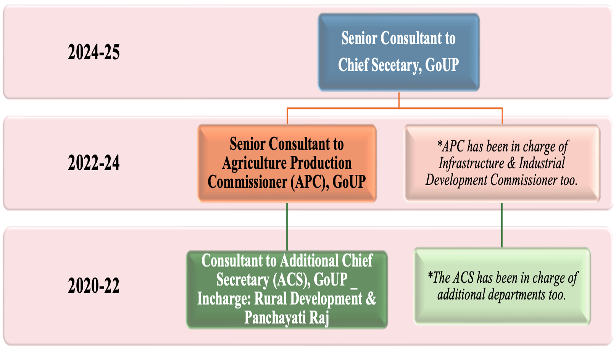
During & post the pandemic (COVID19), for last 5.5 years, he was Senior Consultant to apex officials of Government of Uttar Pradesh and anchored a host of reform initiatives around Financial Inclusion and poverty & employability. There is no other precedence of an individual professional working as Senior Consultant to Additional Chief Secretary (ACS), Agriculture Production Commissioner (APC) and Chief Secretary to Government of Uttar Pradesh.
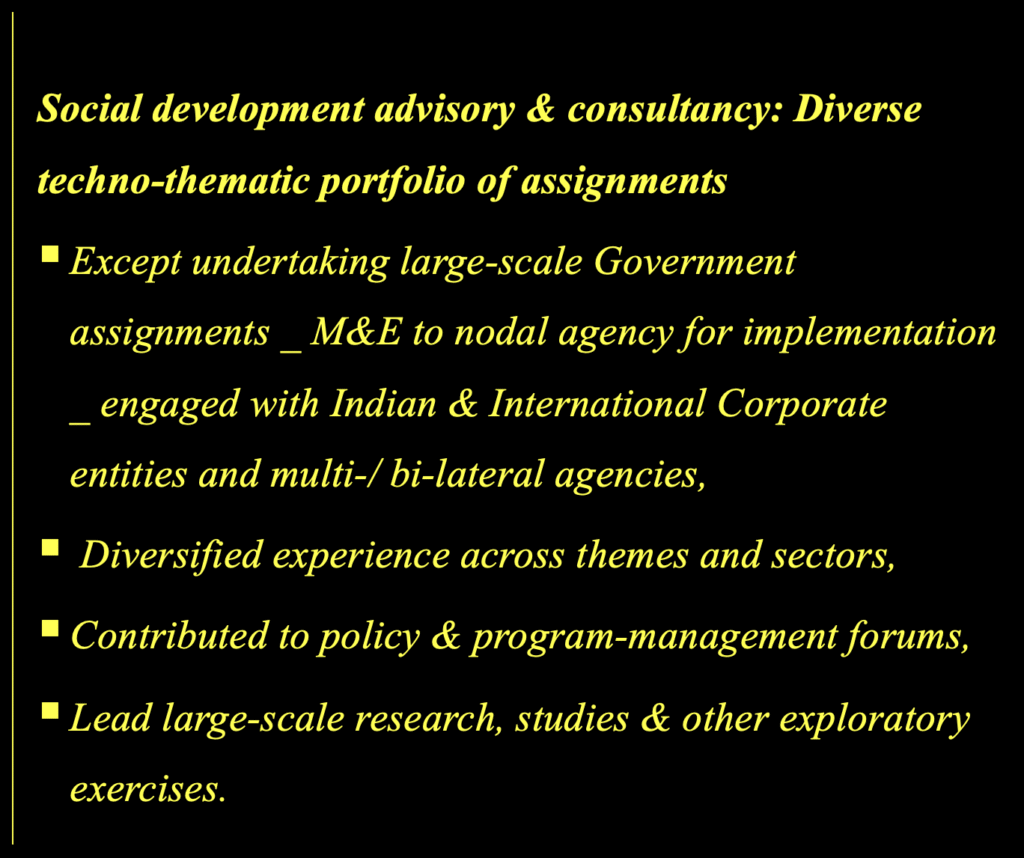
Over 3 decades of professional experience in social development implementation, program management and research, he consistently occupied key individual and institutional [1] consultancy positions at apex Government levels under various political regimes during years 2007 to 2025, working simultaneously with Senior Ministers, State-level committees and apex govt. officials. He has nuanced understanding of how apex Government establishment and its ground level apparatus operates, the workflow and decision enabling factors. He has worked primarily in poverty and allied economic development sectors, lead research conceptualization, operations and played frontal role in large scale implementation of Government flagship and reform initiatives.
[1] He leads a partnership consultancy firm for last over 2 decades. Here institutional consultancy means his firm.
Recent years
(Between years 2020-2025, latest first)
He began working within the systems of Government of Uttar Pradesh (GoUP) amidst COVID19 (Mar. 28’ 20), which drew high credibility for him in terms of willingness & commitment to assist GoUP in days of crisis. No promise for professional compensation; instead, attempting a series of technology-led reforms in much needed compliance with National Food Security Act (NFSA) earned him significant goodwill within the government system. He has been the only individual consultant to work at the apex level, frequently participating at meetings at the level of Chief Minister of UP.
Recent assignments
(Between years 2020-2025, latest first)
His role in Government of UP (GoUP), India emerged as to conceptualize and take on board policy and decision makers on a range of reform initiatives. These initiatives are conceived to plug budgetary spendings, economic outcomes of which on the ground are seemingly unmeasurable. Uttar Pradesh (UP) carries contradictory characteristics when social development service delivery matters. While it has consistently ranked at the top if incremental progress in service delivery (by NITI Aayog) and ranked top for 6 consecutive years in construction of rural housing, it meets with glaring evidence of extreme poverty in some patches of the State. The reforms conceived by Majhi, systems designed to implement them were particularly careful in (a) timeliness of implementation, thereby show results on the ground and hence, (b) evolve an implementation set that banked on astute techno-thematic architecture. In most of the assignment, seemingly the coherent strategy worked.
| Reforms anchored | Particulars/ (Current Status) |
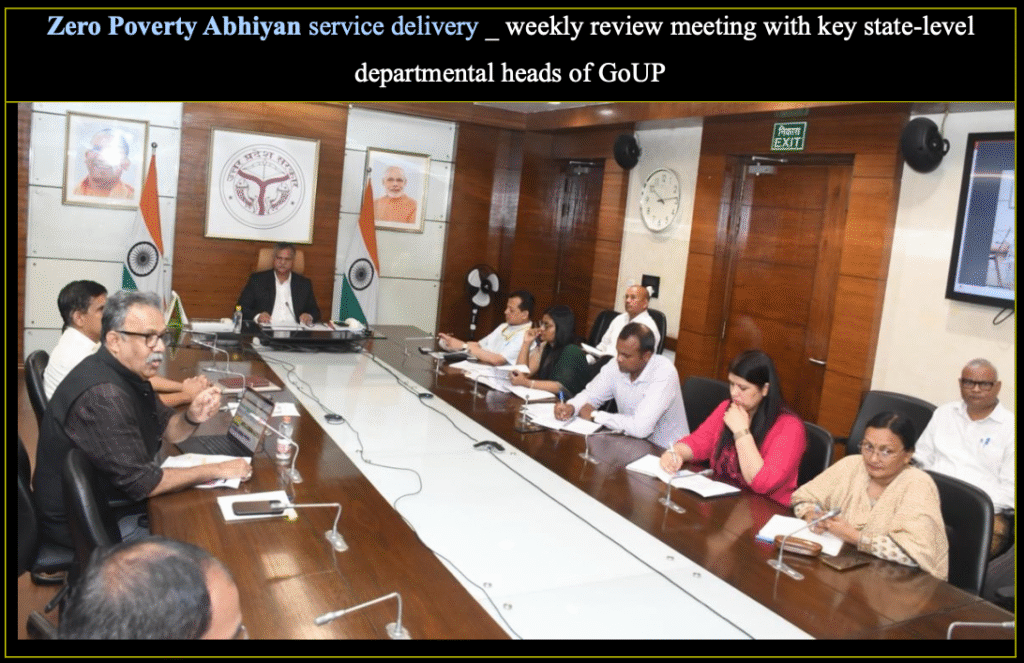
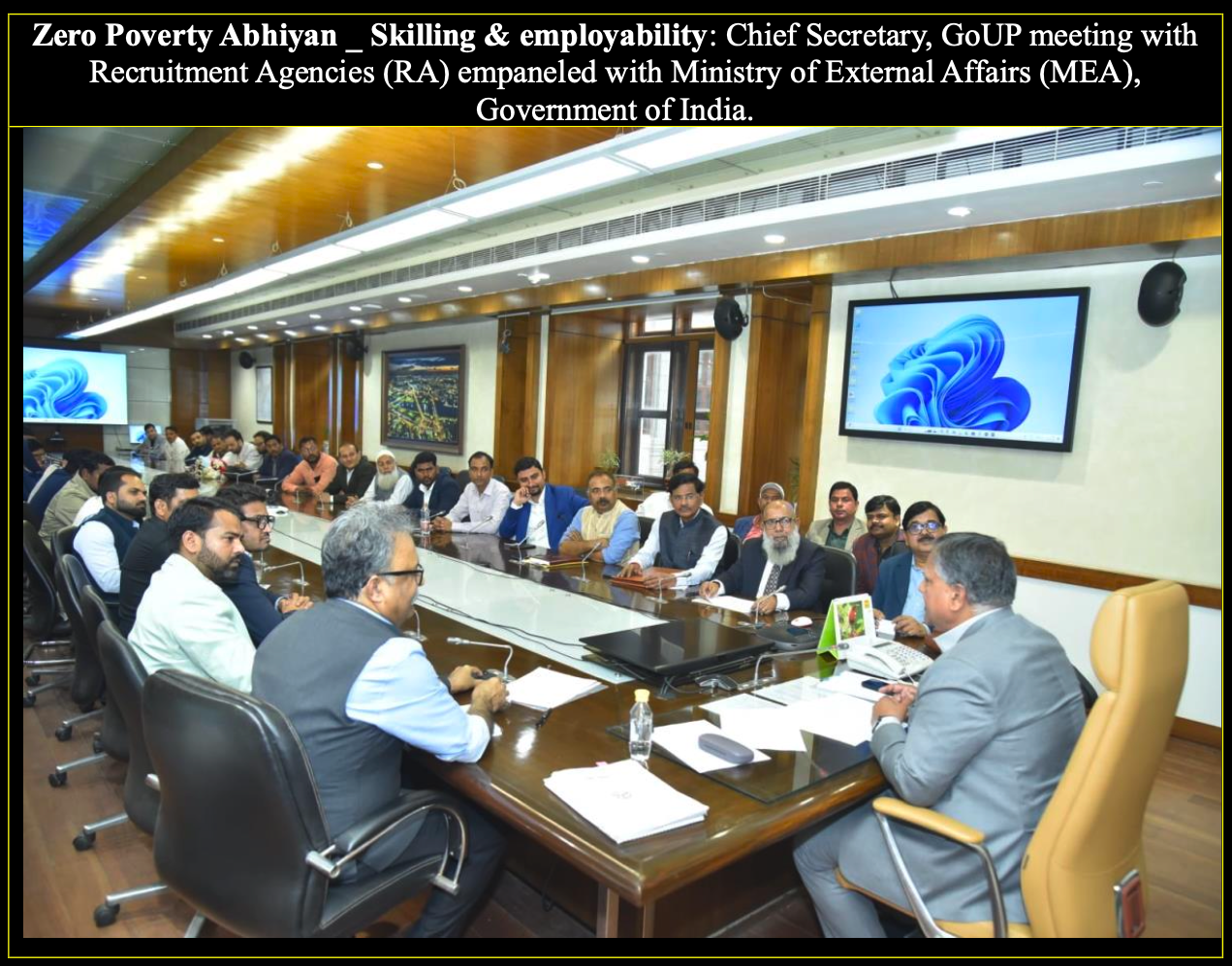
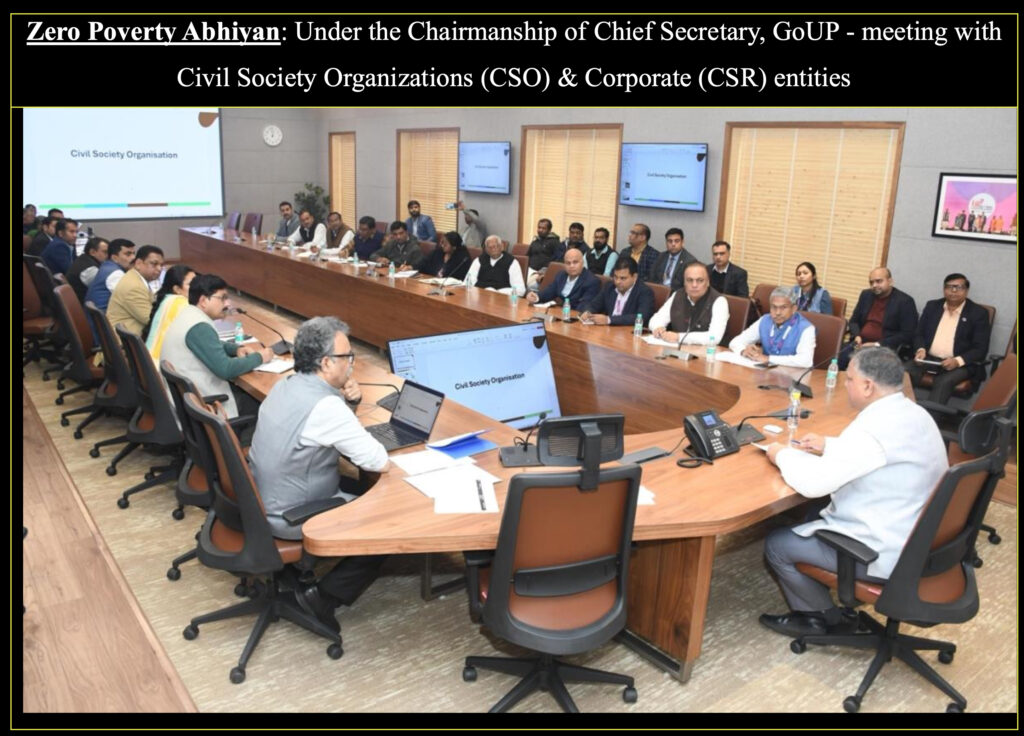
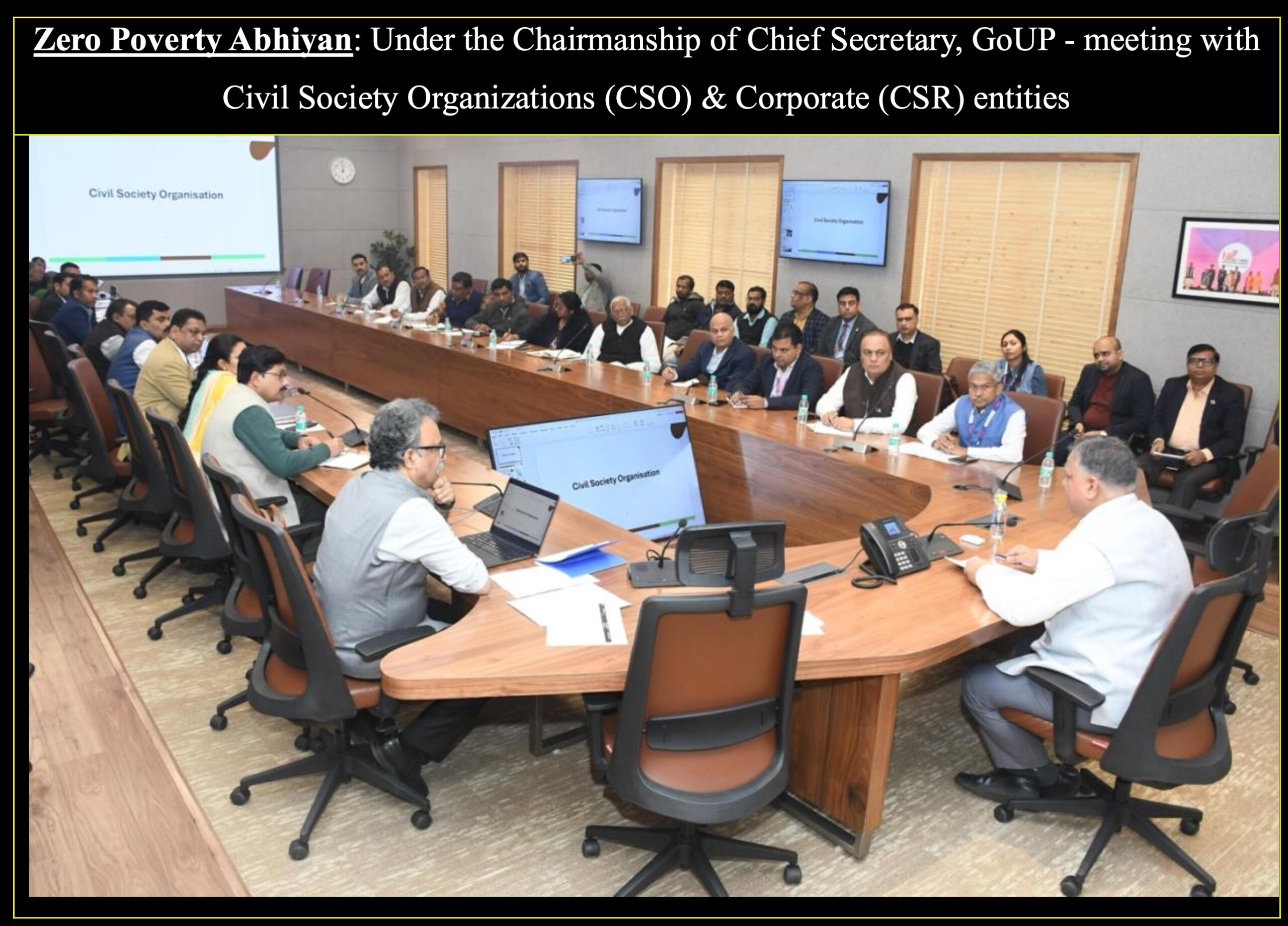
| Zero Poverty Abhiyan, Uttar Pradesh | 2024-25 _ Panchayati Raj Department, GoUP, India After Chief Minister of Uttar Pradesh announced commencement of Zero Poverty Abhiyan, Uttar Pradesh on August 15, 2024, in the backdrop of Prime Minister of India’s announcement at a NITI Aayog meeting, the Abhiyan was formally started on October 02, 2024. The Abhiyan stands special because of few technology ecosystems that enveloped each of the Ultra-poor family and strong focus on ICT-driven work-processes _ from State to each of 13.57 identified Ultra-poor families. The Abhiyan breaks out from the subjectivities of the established counter-poverty principles; rather puts primacy on economic development of the families through income guarantee. It presumes, sectoral/ schematic services could take care of other life-dimensions such as health, education, food & lack/ absence of economic productivity with certain families. Starting with developing comprehensive 360-degree profiles for the 13.57 lakh Ultra Poor families just in 73 days in a massive Geography of the State, the Abhiyan guaranteed effective reach to 3.63 lakh families within a short span of 180 days. Number of DBTs delivered in this period is 4.26 lakh. (Operational with high priority of Govt. of UP, India) http://Zero-poverty.in and https://en.wikipedia.org/wiki/Zero_Poverty_Uttar_Pradesh_Campaign |
| Ultra-poor ~ Direct Benefit Transfer (DBT) provision | 2022-24 _ Panchayati Raj Department, GoUP, India The project envisaged to experiment and witness if DBT servicing can set-up a formidable counter-poverty process, – time-bound and if so, then to what extent. GoUP decided to enlist 5 lakh ultra poor families from across all Village Panchayats of the State and attempt targeted DBT service delivery as per schematic entitlements due to them. Considering a margin of error in enumerating the families, the project enlisted 7.23 lakh Ultra-poor families and started brisk service delivery. The project was transited to Zero Poverty Abhiyan, Uttar Pradesh after Prime Minister’s declaration of Zero Poverty India at the 9th Governing Council Meeting of the NITI Aayog, GoI (July 27, 2024). |
| Banking Corresponding (BC) Sakhi – (Financial Inclusion in Rural Uttar Pradesh) | 2020-2021 _ Rural Development Department, GoUP, India One of the successful reforms demonstrated in India: A simple theory of change (ToC) that was recommended to Jharkhand Government in 2011 vide a planning commission assignment assigned to UNICEF, which he led. The project was considered by Govt. of Uttar Pradesh in 2020 amidst the crisis of pandemic (COVID19), field operation commencing in June 2021. The project was implemented briskly, BC Sakhis operationalized in 40,000 Village Panchayats (GP) in quick time based on a multi-partner technology ecosystem that included a cloud-call centre. The project stands as a testament of successful financial inclusion in Rural Uttar Pradesh (2021-2025) with close to 1.5 Cr. banking transaction conducted there by transacting more than Rs. 38.6 thousand crores (Approx. 4.4 Billion USD). At a meagre commission rate of 0.16%, successful BC Sakhis have been earning between Rs. 25,000 -63,000/ month. The project not only demonstrated high efficacy of the model of devolved banking rather, silently – almost invisibly, achieved digital inclusion of the large rural customers, of which women’s proportion is estimated to be more than 65%. (Operational as a flagship scheme of Govt. of UP, India) https://www.upsrlm.org/ |
| Matribhumi | 2021-2023 _ Panchayati Raj Department, GoUP, India Matribhumi is envisioned around the spirit of State-Citizen engagement in creating rural assets, facilities and services aimed for larger public good. The scheme provides for interested citizens to create public assets or facility aiming to serve the community, the facility named after their ancestors or of their choice. The State provides maximum assistance of 40% of the project cost and also land, if so needed. The scheme is envisaged to engage with interested residents migrated to other states in India or to countries across the globe, to collaborate in development or creation of infrastructure, assets and services for the rural community. Such collaborations between the Government and donors _ individuals or entities _ would ensure opportunities to infuse new perspectives, refresh technology and design efficacies, and in turn augment quality of work, eventually development of the villages. (Operational – Panchayati Raj Department, Govt. of UP, India) https://mbhumi.upprd.in/Home/Home |
| Kamgaar (Informal workers on Street) | 2024-2025 _ Labour Department, GoUP, India Informal and unemployed workers _ skilled, semi-skilled and unskilled _ assembling at certain locations in cities for want of daily jobs is a common sight. These areas are called Labour addas/ posts. Generally, such posts/ addas are prevalent in cities that are considered to offer more of such retail and sachet-based employment opportunity. These posts and the informal workers that attend, are vulnerable to assured access to daily-wage employment, exploitation and inadequate social safety coverage. GoUP intended to map such labour posts to explore feasibility of better civic amenities, safety net and networking with skill & employment-schemes/ hubs. Approx. 500 posts are operative in UP’s 17 M-Corps. Aided by the ‘kamgaar (कामगार)’ technology platform, GoUP enabled linking of these with (first) departments/ schemes that are responsible for addressing (a) skill-mismatch of workers & (b) demand & supply mismatch in various skill-markets; and (second) Industrial areas and units, other businesses that express/ register demand for workers – – indicate specific availability by: 1. location/ area, 2. Skill-match, and 3. Quantum/ no. of workers & gender etc. (Operational with BOCW, Labour Department, Govt. of UP, India) https://kamgaar.in/ |
Leadership
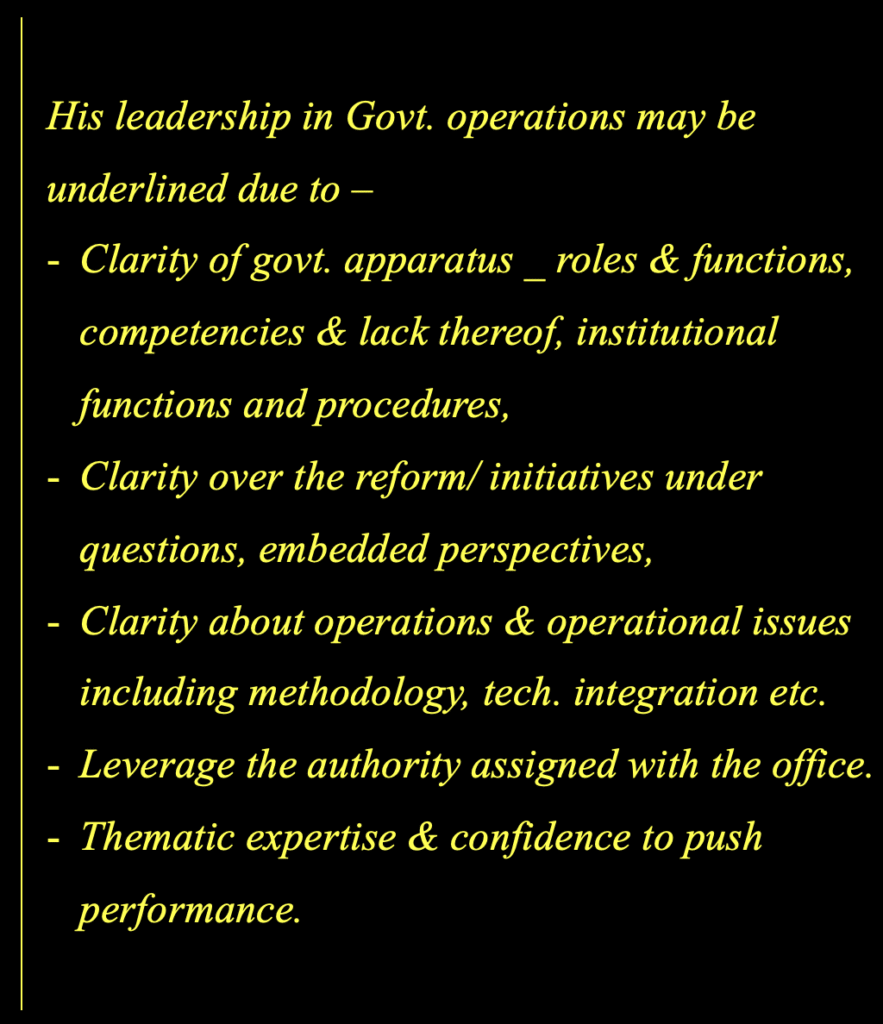
He has led large-scale government programs on themes such as livelihood & social entitlements, financial inclusion and poverty eradication. He has been enabled by the apex offices he has been associated with, to consult and bring clarity on work processes & programmatic roadmaps thereby coordinating thousands of government officials and functionaries at State, districts, blocks and Gram Panchayat levels. Implementation demands close & frequent coordination with HR deployed for the purpose. He may be credited for sensitizing a host of govt. entities to set-up remote-assistance call centres to enable technology-aided coordination with large numbers of coordinates on the ground. His leadership skills may primarily be assigned two key attributes: (a) clarity of concepts and perspectives behind program design & processes, and (b) deep understanding and ability of workflow management. He is primarily a data-centric mover, thrives on his curious, imaginative & analytical bends of thinking. Also, he carries high aptitude to derive a sense out of trends and patterns in context of realities of the day & geographies.
Leadership trajectory
2020 – 25
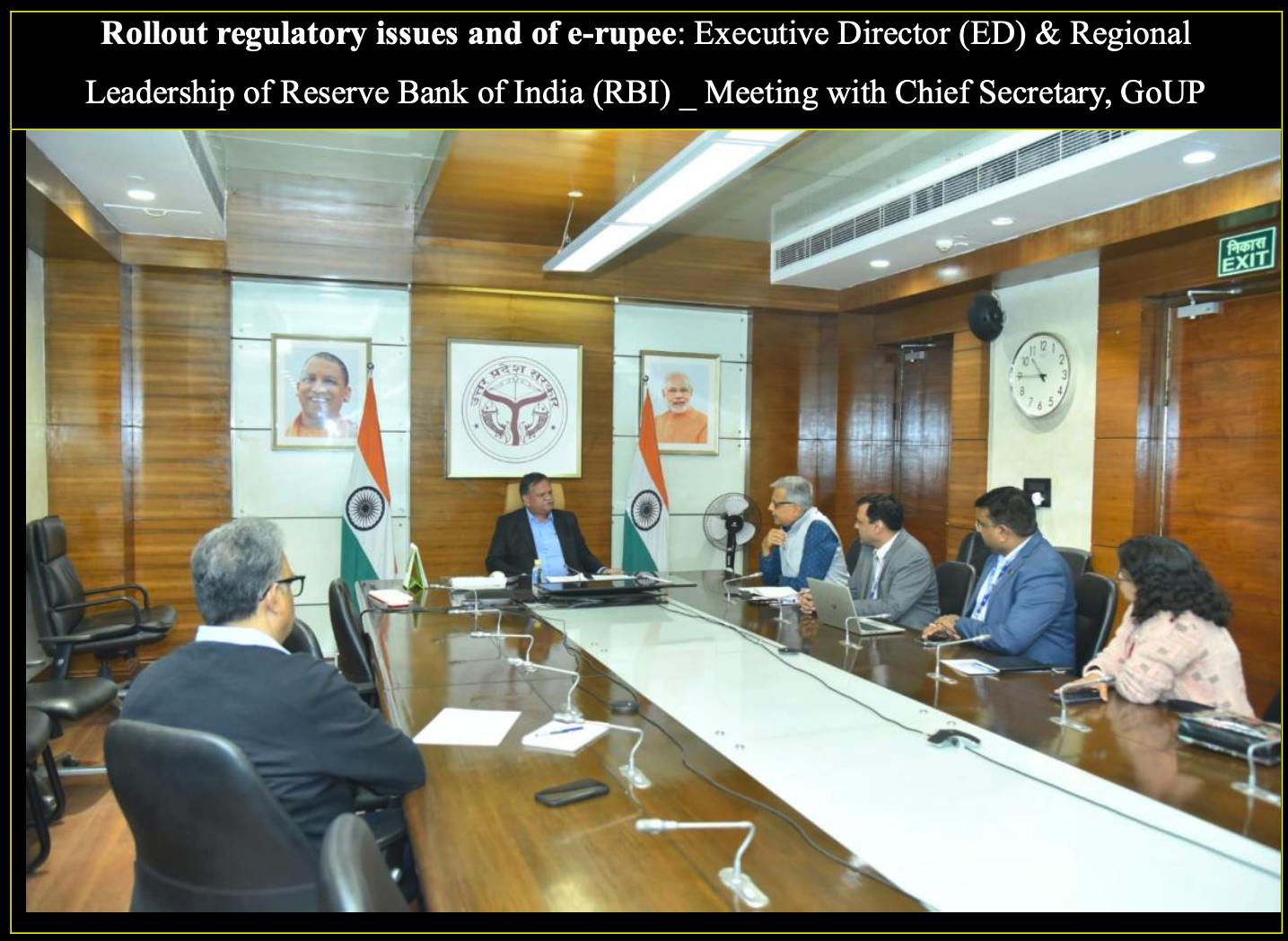
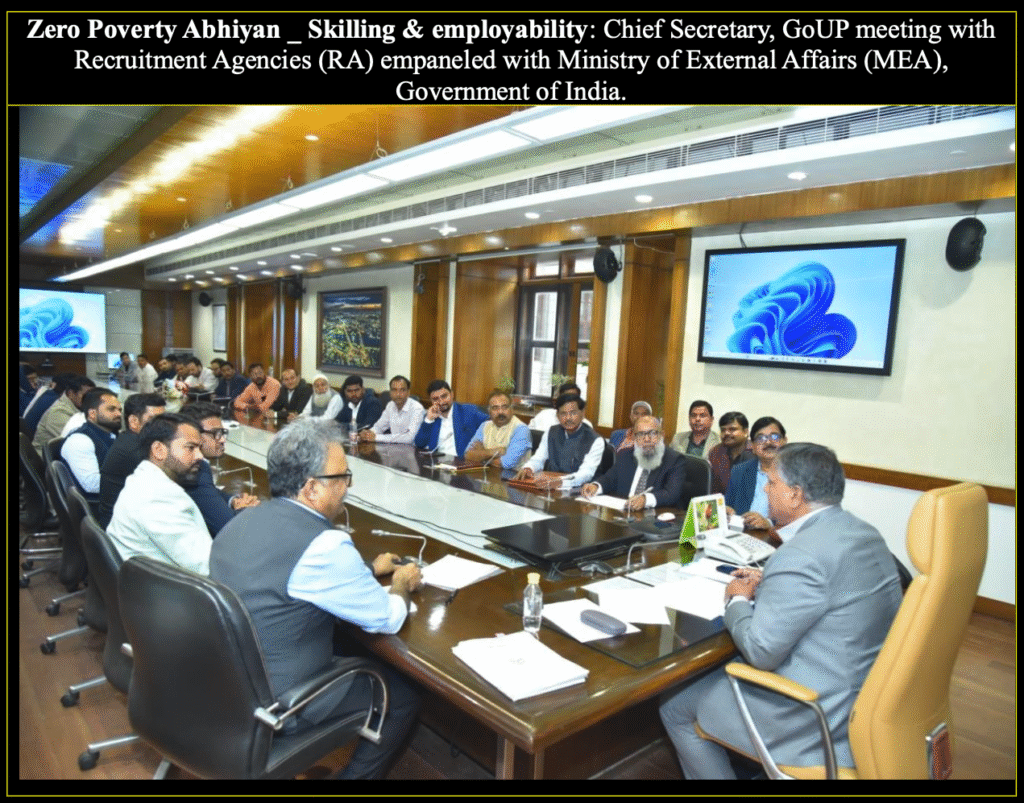
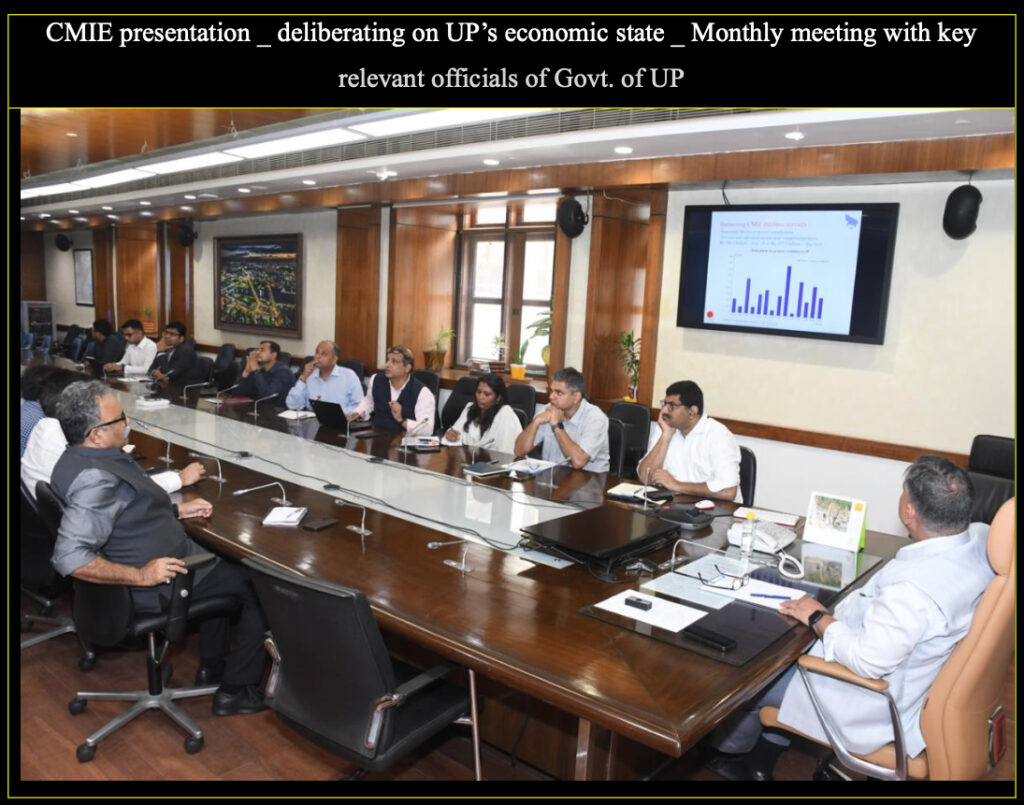
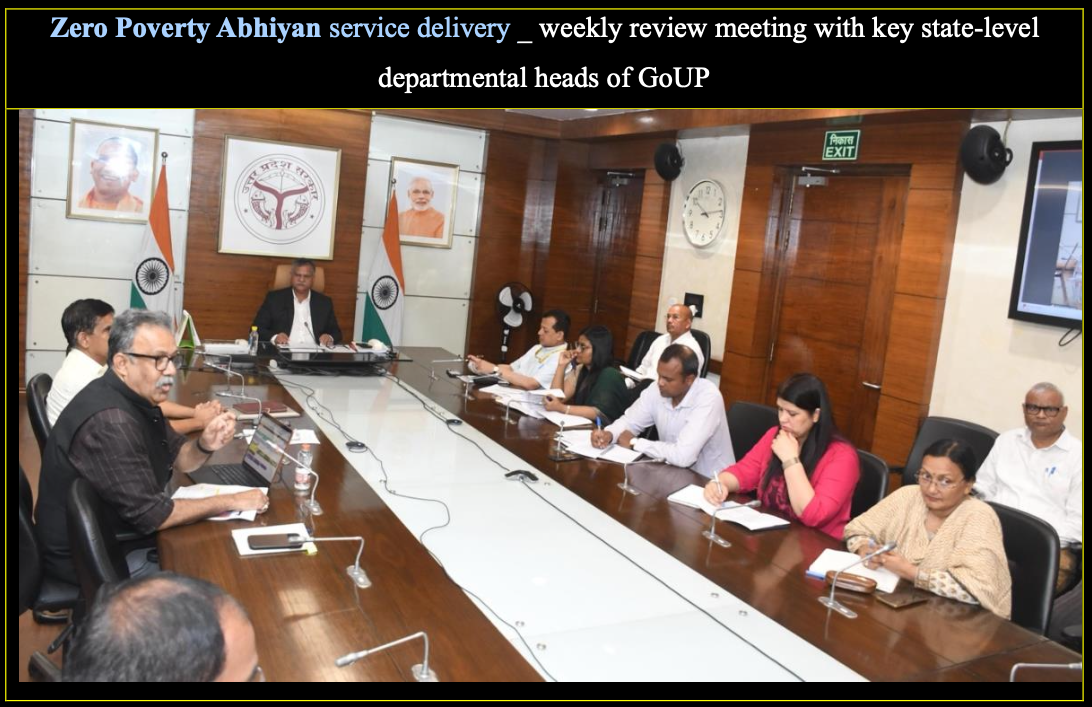
Senior Consultant to apex Govt. Offices: The most exciting term in his career, he engaged as Senior Consultant to key government offices at the apex level, including repeated interface with Chief Minister to introduce reform-rationale. His reform proposals were piloted and mainstreamed along various Rural Development, Panchayati raj department’s schemes; and later in coordination with several other allied departments. Given a free hand to drive the technology-based methodology, he lead implementation of flagship reform initiatives in coordination with State, District and block level government officials and range of departmental apparatus. From introducing concepts to explaining the theories of change, he took up technology & other ecosystemic nodes to drive & fast-track program implementation. In this phase, he worked as an individual as consultant to Principal Secretary, Additional Chief Secretary, Agriculture Production Commission and the Chief Secretary to Govt. of UP
2003 – till date
Chief Executive, PROACT: A consultancy firm set-up initially to support range of bilateral & multilateral non-profits, PROACT was awarded within one month the prestigious State level entity for DFID-supported PACS Program Management (2003-2008), initially for Uttar Pradesh, progressively involving it in Bihar & Jharkhand. He led a 25-member professional team, covered more than 31 districts in these 3 States and supporting management of more than 90 CSO-led projects over 6 themes. In more than 2 decades, PROACT’s dominant role has been as a nodal entity for large-scale implementation of social development schemes leveraging government programs & its apparatus. In the course, it also conducted more than 40 studies & research projects including patent research. In these duration, PROACT worked with State Governments of UP, Bihar, Jharkhand, Planning commission & multilateral non-profits such as UNICEF & CARE that work closely with Governments.
1993 – 2001
Social Scientist & member Secretary, Indo-Dutch Bilateral Cooperation (IDC) in Drinking water & sanitation, Uttar Pradesh: From learning fundamentals of professional methods in projects implementation & management to transactions in bilateral engagement with Government of UP, this phase exposed him to wide range of professional domains including HR & Institutional administration. His capabilities were recognised by promoting him as the Member Secretary of the Foundation created out of IDC Program Support Unit, the youngest thus far.
1991 – 92
Project Coordinator – IDC-Canada-assisted INNOWASH project: He entered social development sector with demonstrated leadership qualities in DAV Public school as a mathematics teacher, where he was one of the youngest to be nominated in curriculum development committee; also, within few months was promoted as class teacher in senior class. He coordinated 8-disrtrict level CSO partners in the States of Bihar, West Bengal & Odissa.
Value Propositions
In consideration of his track record, his professional expertise can be best utilized as the following –
- System analysis & designing, developing techno-thematic architecture
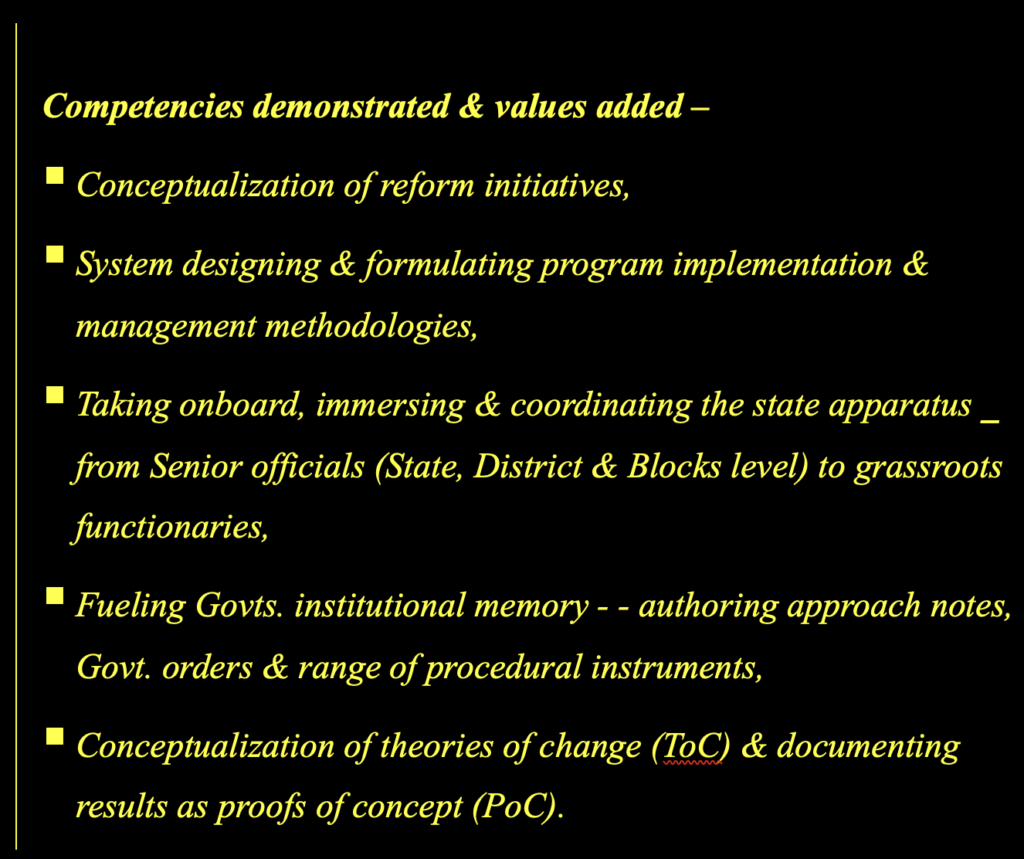
Access to perception, analytical skills combined with a deep understanding of the theme and the ability to communicate with individual workers to a large cohort, enable him to perform analysis of existing (implementation & management) systems or aid in evolving a new operations system. He has conducted such mandates repeatedly with (a) the Government of UP, in specific cases of a range of reforms, and with (b) large-scale bilateral programmes working with the Government (_ viz. DFID & Indo-Dutch Cooperation) in Uttar Pradesh, Bihar & Jharkhand).
Aligning Information & Communication Technology (ICT) with an array of thematic coordinates is often not seriously considered and perhaps not attended to. Techno-thematic architectures successively designed and developed by Majhi have been significantly consumed by various departments in the Government of UP— from beneficiary level to grassroots functionaries, all up to decision-makers. Majorly, such architectures have been operationalised with Urban & Rural Developments and the Panchayati Raj (PR) Department for a host of out-of-the-box initiatives, mandates of which fall within the purview of the PR Act. His expertise on the following may be considered to add significant value to assignments he anchors.
- Designing user interface _ divergent & progressive _ in view of progressive use-demands and for a range of different users coming from backgrounds of ground/ beneficiary-level to decision-makers at apex organization level, he repeatedly struct right chords of pedagogy and addressed diverse functional requirements.
- Designing & contemplating data-metrics & decision enabling dashboard is a mandate custom to hierarchies in program management. MIS & data-base development generally attempt reporting of progress and multiple process coordinates. Decision enabling is a different ball game and may alter its courses with time. Majhi has introduced decision enabling dashboard in all key large-scale assignments anchored by him.
- Process & workflow design is a complex area in implementation of policies, programs and projects/ assignments. In case of reforms, they stay vulnerable till the time the concepts are proven – – size of pilot and/ or scale thereof do matter. Majhi’s acumen in designing work & process flow may be leveraged as a strong value proposition.
- Implementation nodal, steer, scale & synchronise team-efforts
With above professional expertise, Majhi’s best value proposition emerges as a nodal point for large-scale implementation _ be in corporate set-up or in Government structure. He has proven capabilities in driving large-scale projects with its allied human and technology apparatus.
- Advisory support
Since 2011, he has extended advisory assistance to a host of Govt. reform initiatives in Uttar Pradesh. These reforms have been attempted primarily in Rural, Urban and Panchayati Raj Departments. Besides engaging with Dept. of RD, GoUP (2010-11) through technology-led reform initiatives in implementation of MGNREGA, he extended advisory assistance to Chief Minister’s Office
He has extended advisory services in patent research assignments to Locus analytics, a New York, USA-based patent investment company. The advisory was on the topic of National Industrial Classification (NIC) of cluster economies in India. Globally, scope of the assignment entailed 3 countries from distinct regions _ USA, Indonesia and India on three different economic classification. His advisory scope defined for India only, the engagement was mandate included consultation with Government, Corporates & industries and local producers.
Uniqueness
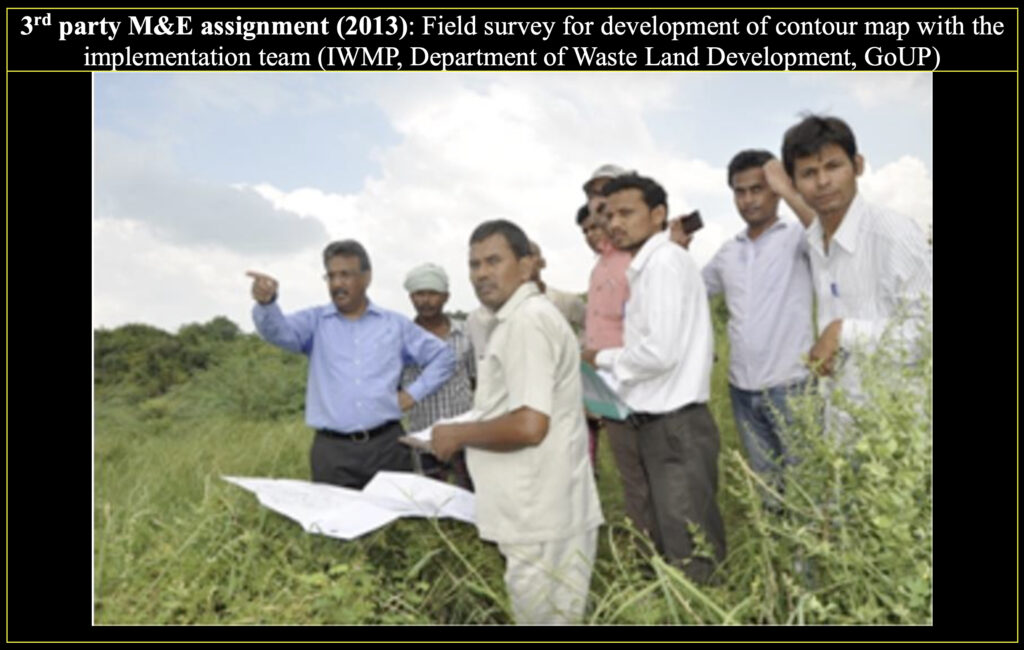
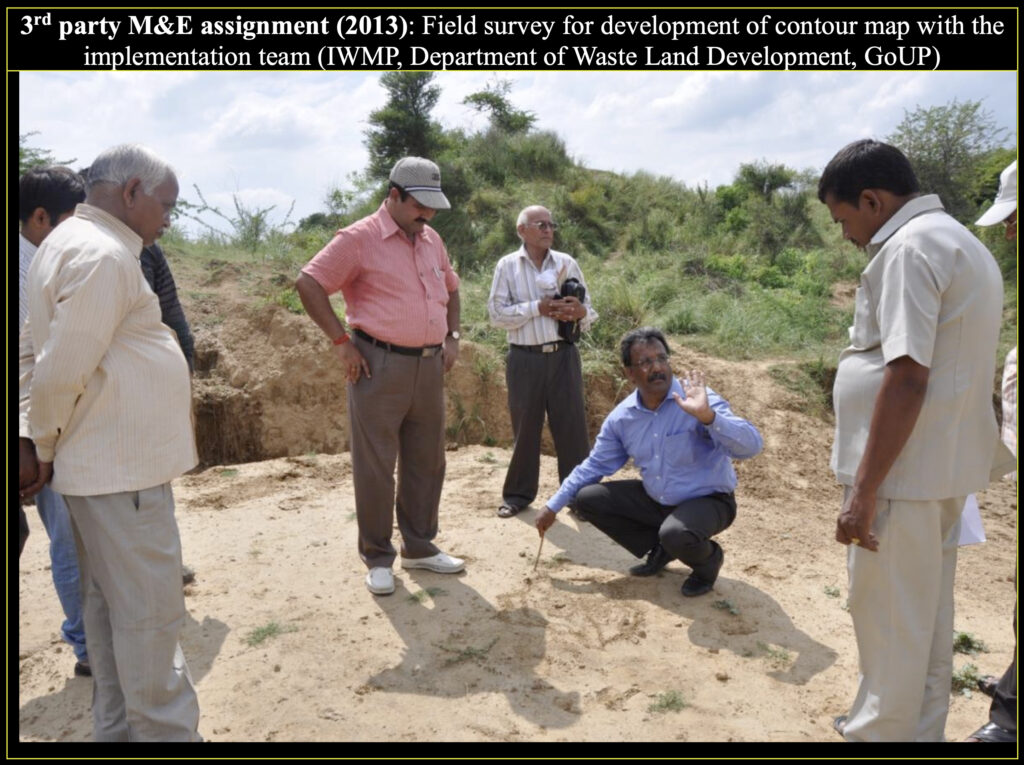
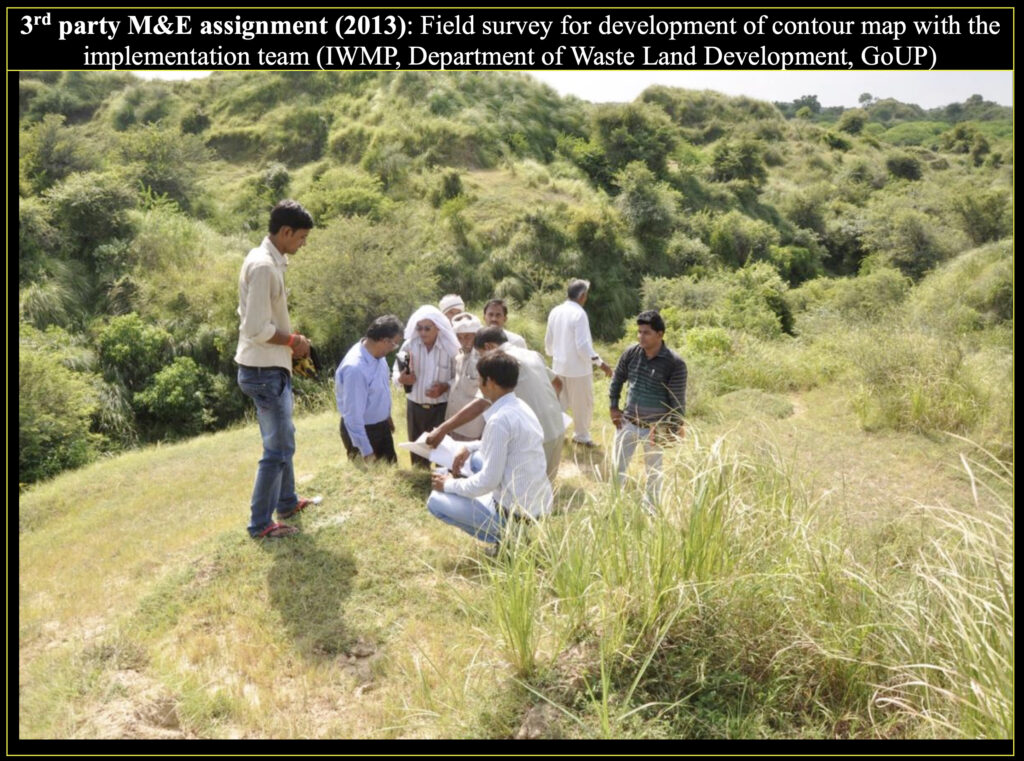
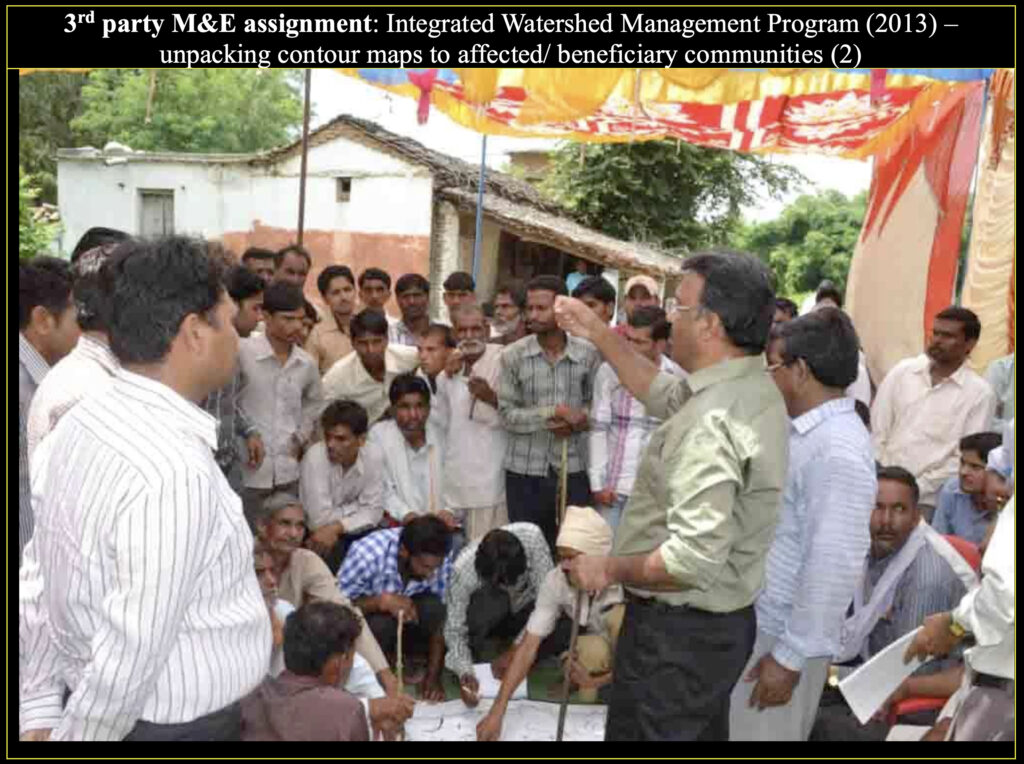
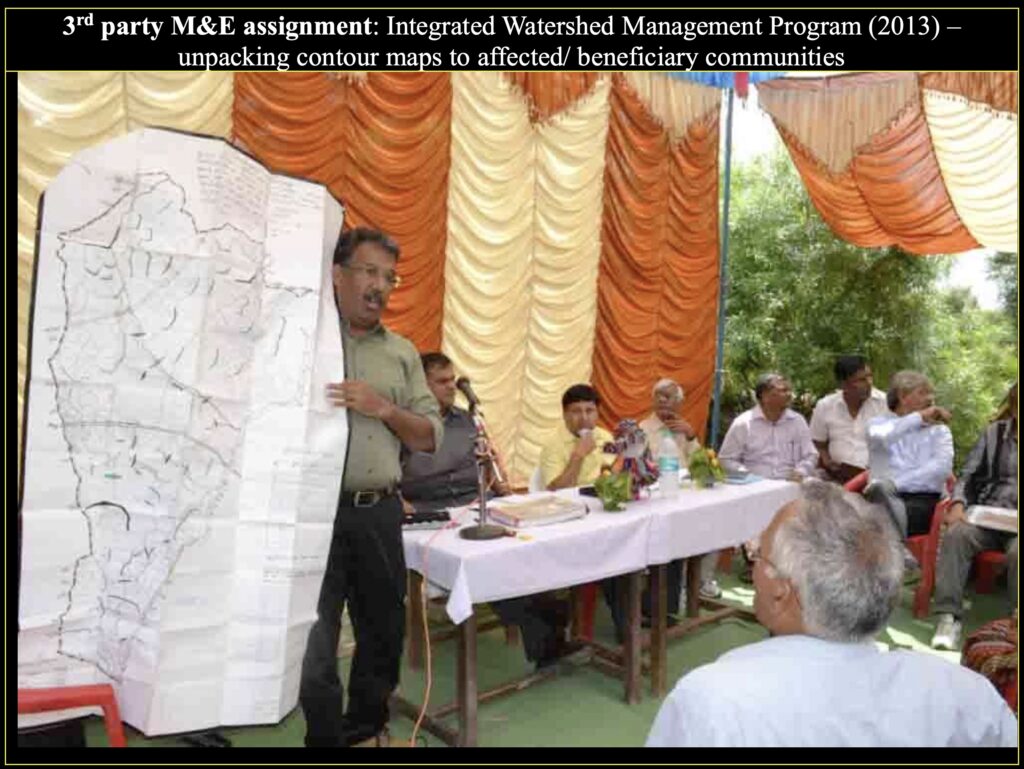
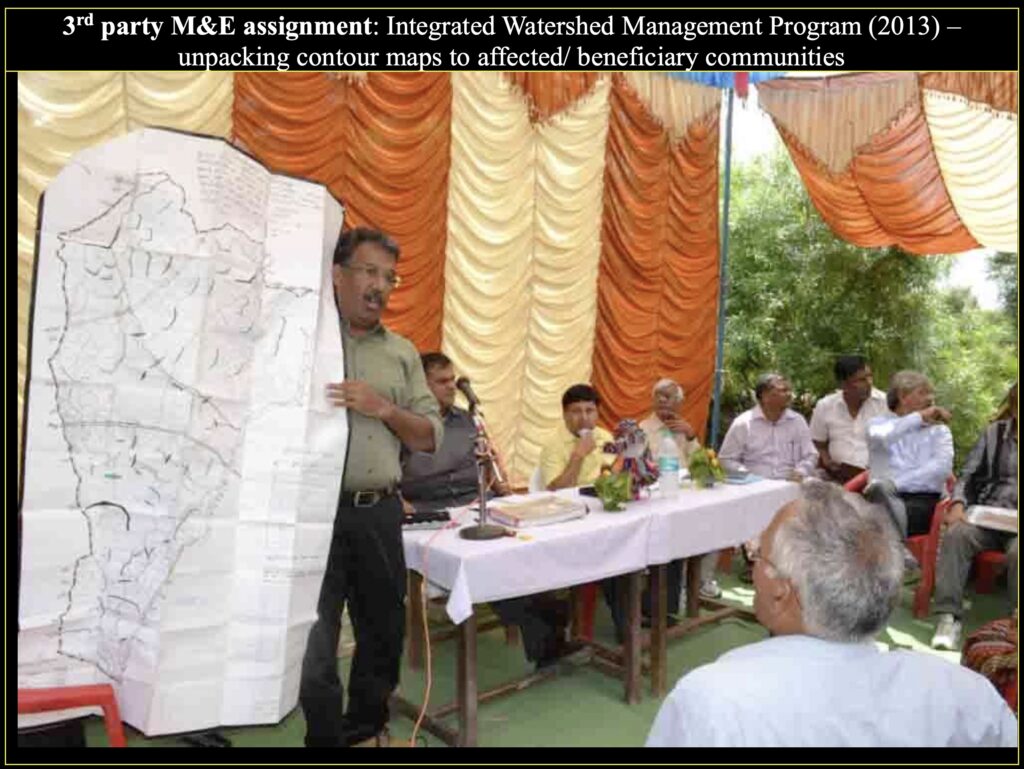
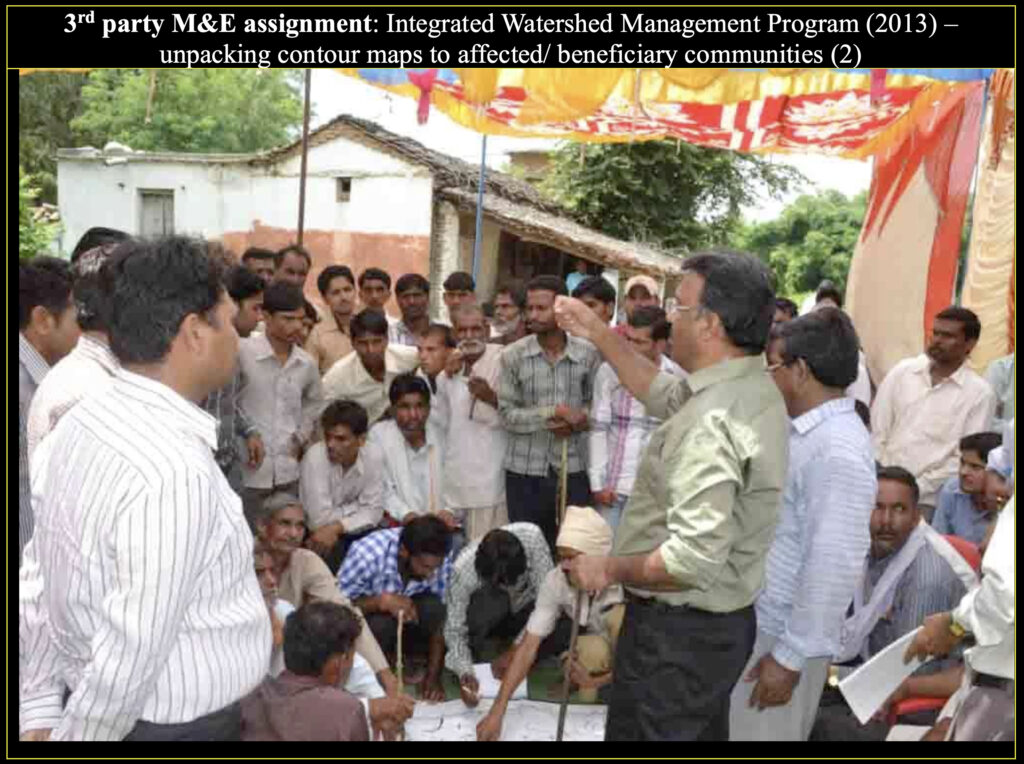
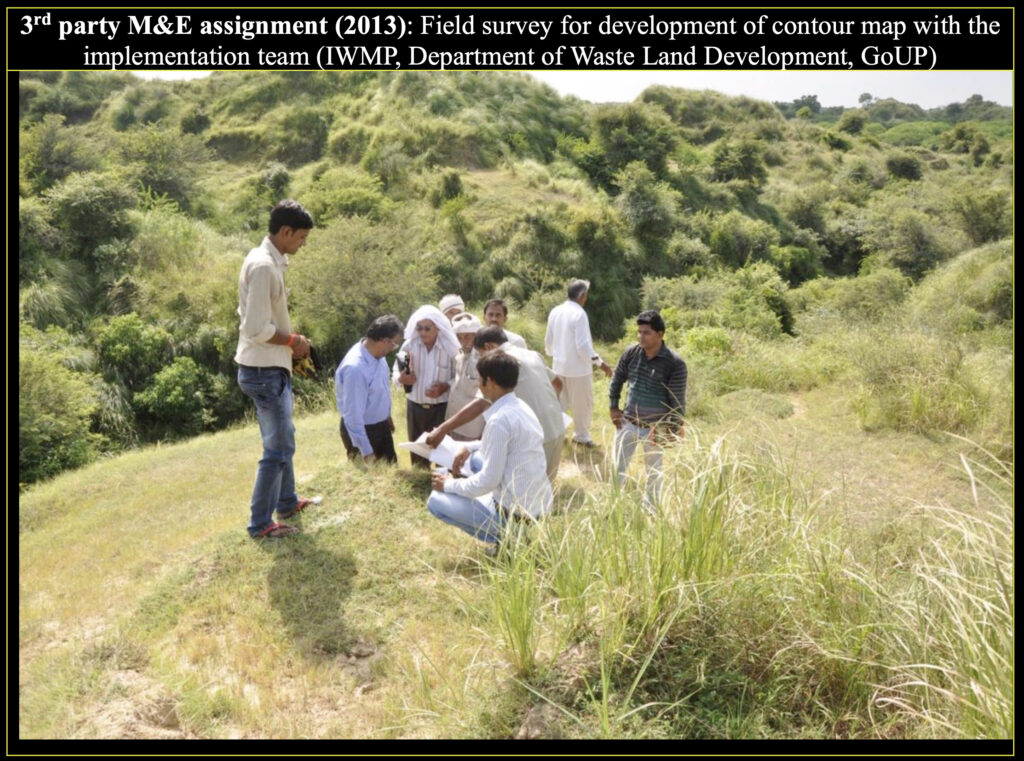
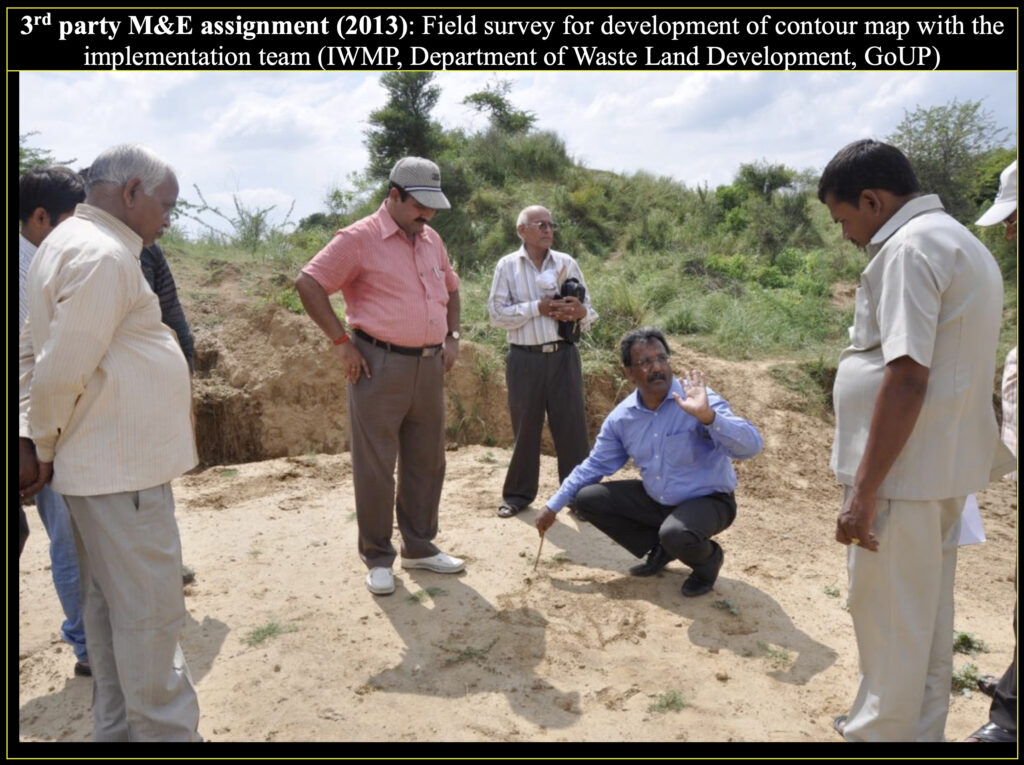
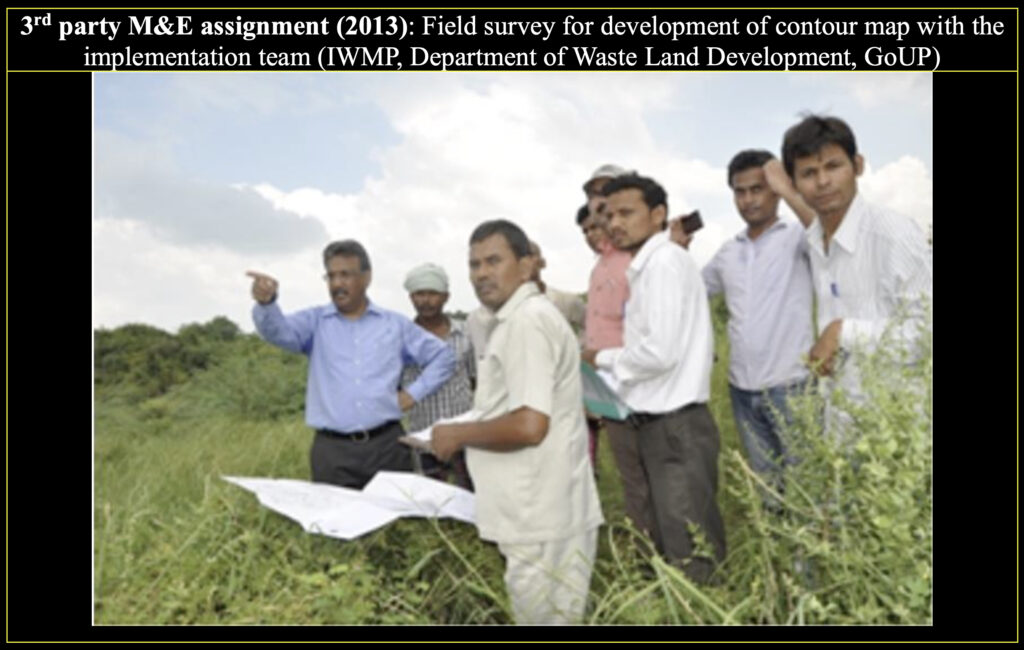
- Inclined to high & irreversible impact on the ground: His long background in bilateral program keeps invested in field implementation, and therefore, him close to Govt.-assignments _ from assuming nodal role in implementation & program management to third party monitoring & evaluation _ selective yet producing exceptional results on the ground.
- Intent driven thought leadership: Repeatedly engaged with State Governments on reform issues _ from High Speed Internet Services in rural areas, to Unorganized Workers on the street and from financial inclusion to Zero poverty _ imaginative inputs in deliberative processes and conceptualization, ability to stay away from limelight, ability to stay immersed in the project management set-up.
- Proximity to social, economic and political contexts & realities: Staying pragmatically close to the assignments’ context has been core to conceptualization of assignments, defining appropriate methodologies and in carefully devising ICT-driven techno-thematic implementation architecture.
- Small, agile and nimble in its work-process: Leading a small inhouse team of professionals significantly helped, fluid yet methodical in its arrangement. He and his team coordinated few large assignments with Government & with bilateral donors despite exercising choice of selection. This could be attributed to highest priority assigned to subordination to the projects in hand and objectives thereof.
Personal traits – –
Imaginativeness and analytical are his central attributes. His personal traits include astute monitoring aptitude, sustaining long hours of hard work relentlessly and encourage & manage brisk multi-pronged work-processes. He is physically and mentally fit and capable of taking high-pressure assignments. He is highly motivated on challenging timelines. He fluency in Hindi and English technical & research writing has helped in partnership with multiple entities _ Government, corporate & non-profits. He has been highly effective in his arguments, persuasions and presentations in various inhouse forums of governments, consistently during his engagement. His long-standing association and track record in govt.-engagement in last nearly 2 decades stand as a testament.
He has been successful in government reforms, innovations and in result measurement; respectively in social development & counter-poverty initiatives, use of ICT in government processes and targeted service delivery by Government schemes on the ground. Carrying out these across several sectors and departments, needed clarity, conviction and courage. Since inception of his career spanning more than 30 years, these traits remained close ally along his professional movement.
Finally, he is result-oriented and is impatient over vague and unclear work-processes. Resource-sensitive, his high focus on working for long hours is premised on the of rationale of resource augmentation.